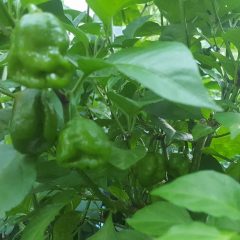
Here in Zone 5, we have a hard time growing some vegetables that I love. Artichokes are one of my all-time favorite veggies. No matter how hard I try, I cannot get them to grow enough in a single year to put on enough growth for those delicious flower heads to form properly. We may end up with a small bud, but generally we get nothing at all.
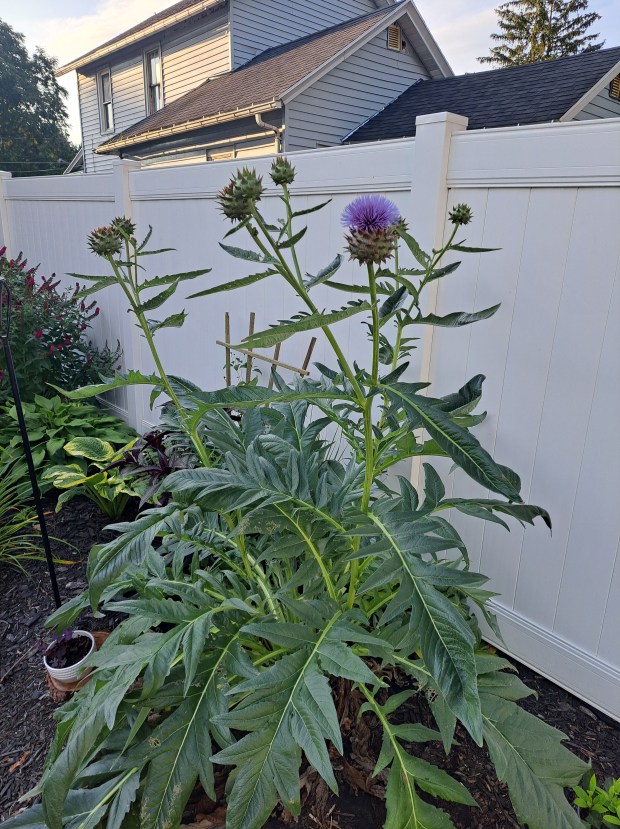
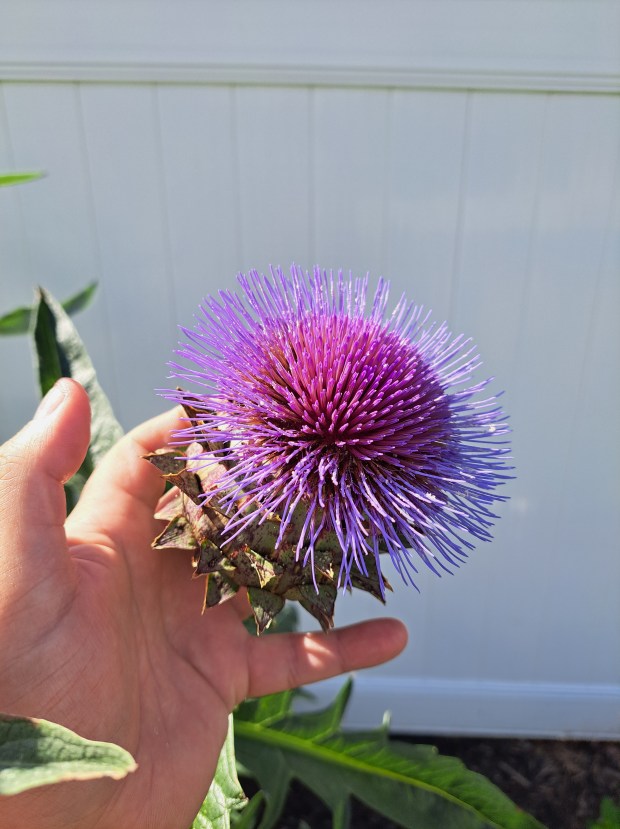
This is where the cardoon has come to my rescue! Cardoon is closely related to artichoke. Both are in the same family as thistles. Both produce the extra-large, showy foliage. Both have giant flower heads with beautiful, purple tufts. The biggest difference is what you’re growing them to harvest.
Unlike artichoke, we’re growing cardoon for the thick leaf stem. The stems, when processed, possess the same flavor profile as the artichoke hearts. Because we only need the plant to grow and not flower, we’re guaranteed a harvest!

The leaves can be 3-4 foot long. They make a statement in any planting- be it the vegetable garden or the flowerbeds. The plants themselves can reach 3-4 foot in height in the first year! When paired with dark-colored foliage, their dusty-green color can really stand out!
Of the three artichokes and three cardoons we planted, only the cardoons were strong enough to withstand our winter. During the 2nd year of growth, we were rewarded with a dozen flowers from the one plant we maintained. Each of the three stems produced four softball-sized blooms that perfumed the air.
While cardoon can be harvested at any time of year, we will usually harvest in the fall. Cardoon can be slightly bitter, but wrapping the stems and depriving them of light can reduce the bitterness. We don’t bother. The bitter flavor bleeds out in a couple minutes in boiling water.
Cardoon looks a lot like celery. The long stalks are two sided- a smooth side and a ribbed side. When preparing, try to peel off the skin and fibers of the ribbed side. Using a paring knife is much easier than using a vegetable peeler. The peeler becomes clogged in the fibers and slows the process. Stick with the knife and work on running it down the length of the stem. As you work through your bundle, you’ll notice this becomes easier and easier. The inner, smooth side of the stalk just needs a good scrubbing. Younger stalks may have a fine fuzz that rubs off very easily.
After peeling, dice the stalks and cook them in boiling water for about 5 minutes. With more of the “meat” of the stalk exposed, the bitterness cooks out and brings out the flavor of the vegetable. Even after cooking, the cardoon will still retain some of its crunch. Give it a quick rinse, and it’s ready for the soup!
Because of the similar flavors, I felt this was a great opportunity to use it in one of my favorite appetizers- with a twist: Spinach and Artichoke Dip. Here’s my version of Spinach and Cardoon soup!
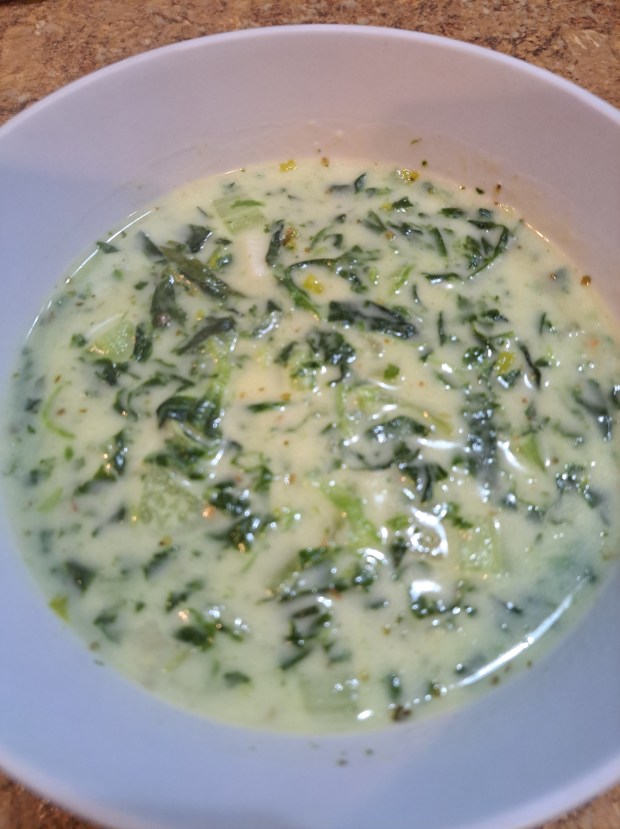
Spinach and Cardoon Soup
1 bunch Cardoon, peeled, diced, and boiled 5 minutes
1 small onion, diced
2-4 cloves garlic, diced
1 stalk celery with top, diced
10oz bag frozen or fresh spinach
1tsp dried oregano
1tsp dried thyme
Salt and pepper to taste
4tbsp butter
1/8c flour
7oz smoked gouda, shredded
4oz parmesan cheese, shredded
4c water
1c milk or heavy cream
In a large soup pot, sauté the onion, celery, and garlic in the butter until fragrant and softened.
Add the flour to the butter, stirring occasionally, 3 minutes to cook out the “raw flour” flavor.
Add 2 cups water, thyme and oregano, spinach, and cooked cardoon. Stir to combine and thicken. Add more water as needed to adjust the consistency.
Stir in the cheeses and milk or cream. Continue stirring to ensure the cheeses melt evenly and aren’t stuck on the bottom of the pot. Add water, up to 2 additional cups, to the desired consistency. Add salt and pepper to taste.
 The Bored Gardener